Transporting Deceased Bodies: What Families Need to Know
Beyond Life Services
Funeral Care Team
Learn how transporting deceased bodies works by road or air, including preparation, documentation, embalming, coffin arrangements and funeral coordination.
When someone passes away in a different city, state or country, bringing them home for their final rites can feel overwhelming.
Transporting deceased bodies involves much more than arranging a vehicle.
Depending on the situation, families may need to coordinate with:
Knowing the overall process can help families make decisions more calmly.
Step 1: Complete the Initial Formalities
Before arranging transport, ensure that the hospital, doctor or relevant authorities have completed the necessary procedures for release of the deceased.
The process differs for:
Police and post-mortem procedures may apply in certain cases.
Do not begin long-distance transport until the deceased has formally been released.
Step 2: Decide Between Road and Air Transportation
The two most common options are road and air.
Road Transportation
Road transportation may be practical when:
Air Transportation
Air transport may be preferable when:
The appropriate method depends on cost, distance, urgency and documentation readiness.
Step 3: Arrange Preservation or Embalming When Needed
For long-distance transportation, preservation of the body is an important consideration.
Embalming is commonly used for airline and international transportation.
When embalming is performed, families receive an embalming certificate that may form part of the airline documentation.
Step 4: Arrange the Coffin
For air transport, the body needs to be prepared and placed in suitable packaging according to carrier requirements.
Airline cargo rules should be confirmed before the coffin is finalized because requirements can differ.
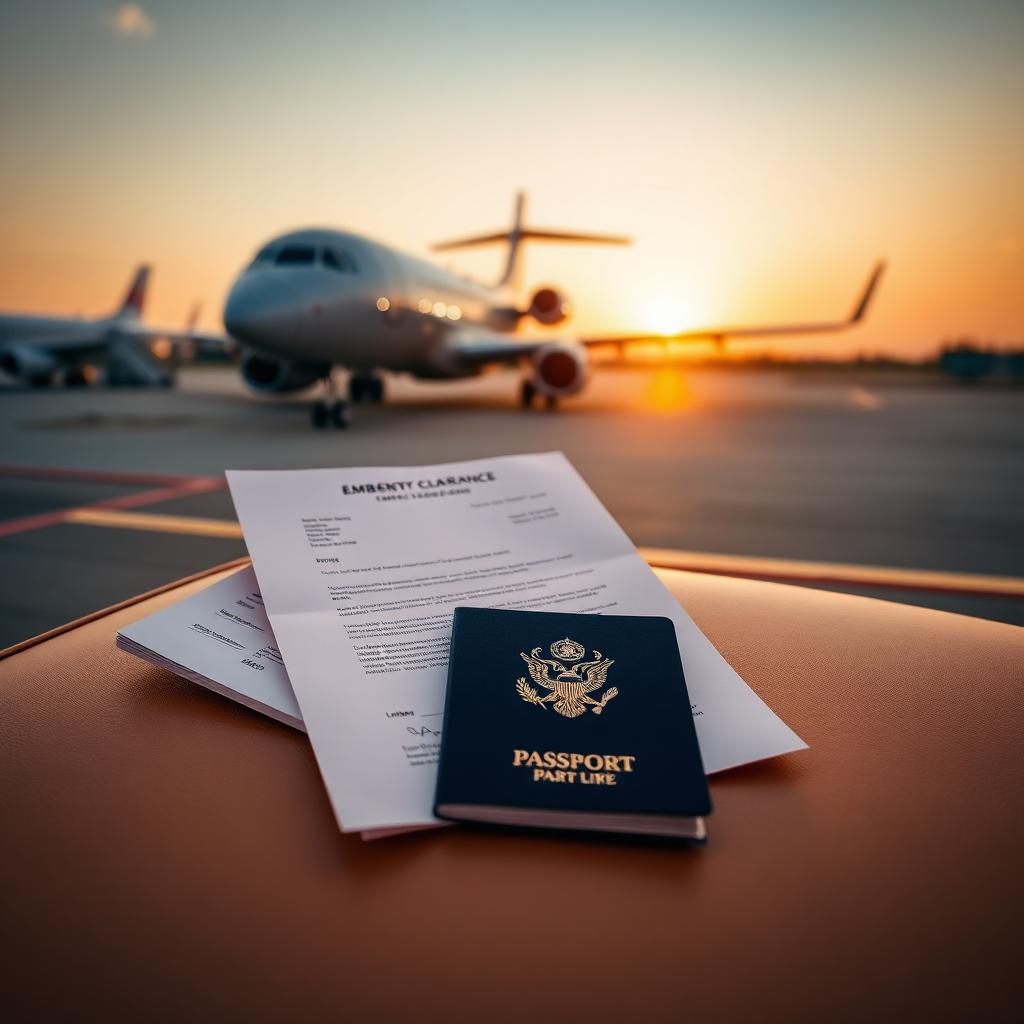
Step 5: Prepare Documents
Documentation may include, depending on the case:
Air India currently requires a death certificate, an embalming certificate for coffin transport and a police certificate for domestic human-remains carriage.
Never assume that one airline's checklist automatically applies to every carrier or route.
Step 6: Coordinate Cargo Booking
Human remains transported by air are typically handled through airline cargo operations.
The funeral coordinator or family needs to confirm:
The booking should be finalized before the body leaves the hospital or mortuary whenever possible.
Step 7: Arrange Airport Transportation
A suitable funeral vehicle is required to transport the deceased from the hospital, residence or mortuary to the departure airport.
Another vehicle should be arranged at the destination airport.
A coordinated process may therefore look like:
Hospital → Embalming → Coffin → Airport → Flight → Destination Airport → Hearse Van → Home/Crematorium
Step 8: Coordinate the Final Destination
Before the flight or road vehicle departs, ensure someone at the destination is ready to receive the deceased.
Confirm:
This avoids unnecessary delays after arrival.
Transporting Deceased Bodies Internationally
International transportation involves additional regulations.
For arrivals into India, public-health clearance through the applicable process may be required, and the Government's eCARe framework lists documents such as death and embalming certificates, passport-related documentation and relevant diplomatic clearance.
The destination country's regulations should also be checked before transport begins.
Maintaining Dignity During Transportation
Every stage of transportation should protect the dignity of the deceased.
The National Human Rights Commission has emphasized dignity and protection of the rights of the dead, referencing judicial recognition that dignified treatment extends to a deceased person's body.
Professional handling should therefore prioritize:
Final Thoughts
Transporting deceased bodies requires careful coordination between medical, transport and funeral arrangements.
The most important step is not speed alone.
It is ensuring that every necessary formality has been completed so the deceased can reach the final destination without avoidable delays.
Professional funeral transport assistance can help families coordinate these steps while maintaining dignity throughout the journey.
FAQs
What is the best way to transport a deceased body long-distance?
Road transport may work for shorter routes, while air cargo can be more practical for long-distance transportation.
Is embalming necessary for air transportation?
Airlines commonly require an embalming certificate for non-cremated human remains transported in a coffin.
Can family members travel on the same flight?
They may travel as passengers if tickets are available, while the deceased is handled separately according to airline cargo procedures.
Is police documentation necessary?
It can be required depending on the circumstances and carrier. Air India currently lists a police certificate for domestic transport of human remains.
Who receives the body at the destination airport?
A relative or authorized funeral-service representative can coordinate receipt and onward transportation subject to airline procedures.
Tags: