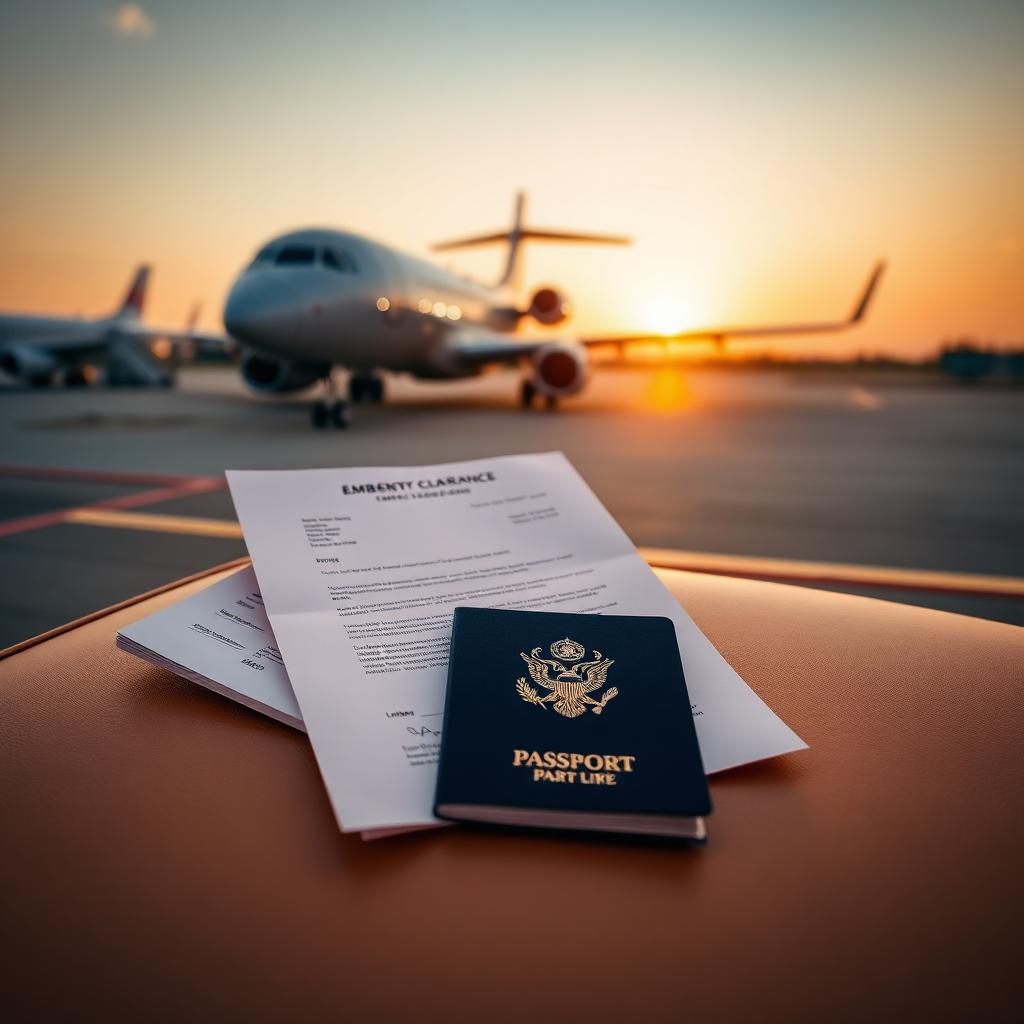
Transport of Dead Bodies: Understanding Road, Air and Interstate Options
Beyond Life Services
Funeral Care Team
Complete guide to the transport of dead bodies by road and air, including interstate transportation, embalming, coffin preparation, documents and funeral coordination.
The transport of dead bodies requires sensitive handling and careful coordination.
A family may need transportation because their loved one passed away:
The goal is to bring the deceased to the chosen location for funeral or burial arrangements with dignity and minimum avoidable delay.
Types of Dead Body Transportation
Transportation generally falls into four categories.
Local Transportation
For movement within the same city using an appropriate hearse or mortuary vehicle.
Intercity Transportation
For transportation from one city to another, usually by road.
Interstate Transportation
For transportation between different states using road or air services.
International Transportation
For repatriation between countries, involving airline cargo, diplomatic and health-related formalities.
Dead Body Transport by Road
Road transportation provides a direct journey from the pickup location to the destination.
It can be useful when the distance is manageable and suitable transportation is available.
Before beginning the journey, confirm:
For longer journeys, appropriate preservation should be discussed with qualified professionals.
Transport of Dead Bodies by Air
Air transport significantly reduces travel time for long-distance journeys.
However, it involves more preparation than arranging a passenger ticket.
The body is normally handled through airline cargo operations.
Air India's published requirements for domestic carriage currently include a death certificate, embalming certificate where transported in a coffin, and police certificate.
Families should contact the relevant airline cargo desk for the exact current requirements.
Why Documentation Matters
Missing paperwork can delay transportation.
The exact documents depend on circumstances, but may involve:
International repatriation requires particularly careful documentation.
For human remains entering India, the Government's eCARe system provides a formal public-health clearance framework.
Transport After an Accidental or Unnatural Death
When death occurs because of an accident or under circumstances requiring investigation, transportation generally cannot begin until police and medical-legal procedures are completed.
These cases may involve:
Families should wait until the responsible authority releases the deceased before arranging final transportation.
Airport-to-Airport Coordination
Successful air transportation usually involves two local transport arrangements.
At the Departure City
Transport is needed from the hospital or mortuary to the cargo terminal.
At the Arrival City
A second hearse or funeral vehicle may need to collect the deceased and proceed to:
Both sides should be coordinated in advance.
International Repatriation
International cases may require coordination between:
Government guidance for remains arriving in India currently identifies documentation including an embalming certificate, death certificate, applicable diplomatic NOC, cancelled passport and appropriate packaging certification.
Choosing a Funeral Transportation Provider
Families should look for a provider that offers:
Ask what is included before confirming the service.
A Simple Transportation Checklist
Before starting transport, confirm:
1. Has the deceased been formally released?
2. Are required medical documents available?
3. Have police procedures been completed if applicable?
4. Is embalming required?
5. Is the transport vehicle confirmed?
6. For flights, is cargo acceptance confirmed?
7. Is the receiving person available?
8. Is transportation arranged at the destination?
9. Is the crematorium or burial ground ready?
Final Thoughts
The transport of dead bodies should always combine efficiency with dignity.
Whether transportation is within a city, across states or by air, proper preparation helps avoid unnecessary stress.
Families should confirm documents and transport requirements early and coordinate the destination before beginning the journey.
The final journey deserves the same respect and care as every other part of the funeral process.
FAQs
Can dead bodies be transported by road?
Yes. Appropriate deceased-body transportation vehicles can be used for local and long-distance road journeys.
Can a dead body be transported on a flight?
Yes. Airlines can transport human remains through their cargo operations subject to documentation and preparation requirements.
Is a coffin required?
It is commonly required for air transportation of non-cremated remains according to airline specifications.
What happens at the destination airport?
An authorized relative or funeral-service coordinator can arrange collection and onward transportation based on airline procedures.
Can a funeral service provider manage the full process?
Many providers can assist with transportation, embalming, coffin preparation, cargo coordination and destination arrangements.
Tags: